Toddler Bubble Catch

Toddler Bubble Catch

Requirements

• Outdoor space free of obstacles
• Soap bubble toy

Instructions

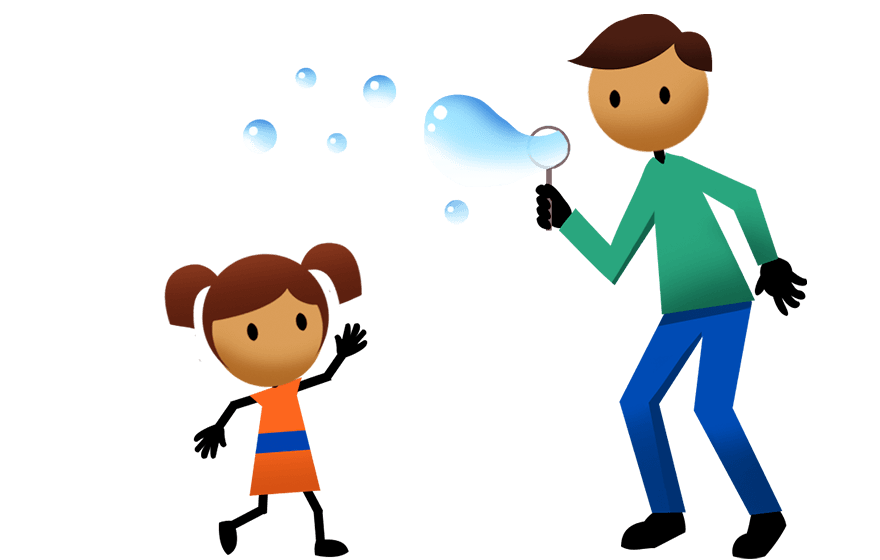
  1. Blow bubbles for your toddler outside.
  2. Encourage your toddler to run, jump, and “catch” the bubbles as they float in the air.
  3. The bubbles will break, and that is fine.TIP: Main focus is to get your toddler to jump and coordinate a bubble “catch” with hands.

    TIP: You can buy a simple toy for making soap bubbles, or you can make your own.

    TIP: If making your own bubble solution, try mix of one cup water, 2 tablespoons dish soap, 1 teaspoon corn syrup.

Variations

• Take turns with your child blowing and catching bubbles.

Benefits

This activity develops hand-eye coordination, gross motor control, and the ability to track moving objects in the air. These skills transfer to sports and activities that involve flying objects (e.g., balls, shuttlecocks, frisbees, ribbons, sticks, batons).
Toddler Biking

Toddler Biking

Requirements

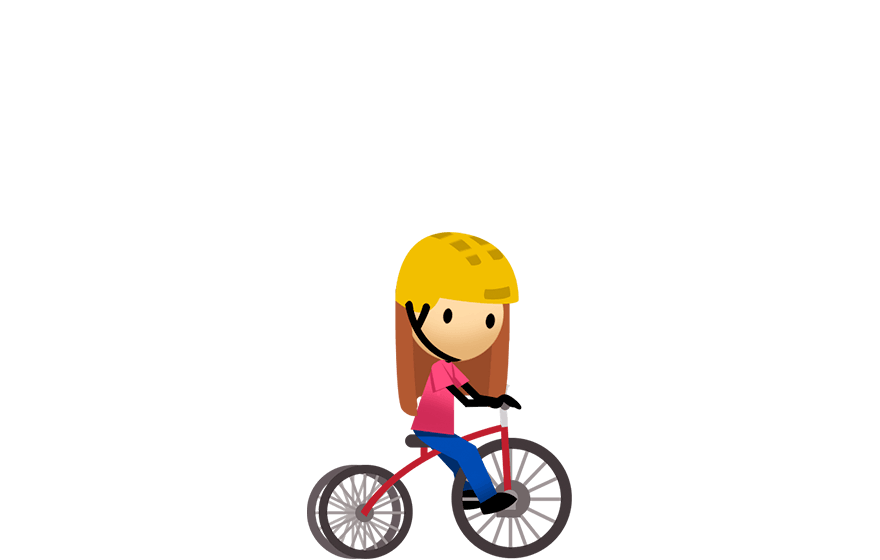
• Small tricycle or riding toy with 3-4 wheels

Instructions

  1. Go for a walk with your toddler riding alongside.
  2. Stay on sidewalks of quiet streets and park pathways.TIP: Make sure your child always wears a helmet.

    TIP: This basic “wheeling” helps develop balance and leg strength.

Variations

• With toddlers ages 3-4, consider introducing them to a balance bike (two wheels but no pedals)

Benefits

This activity develops balance, coordination, and strength in the legs in preparation for more advanced cycling activities at older ages.

Toddler Ball Rolling

Toddler Ball Rolling

Requirements

• Soft plastic ball 10-20 cm in diameter
• Clean indoor floor area
• Preferably carpet for comfort

Instructions

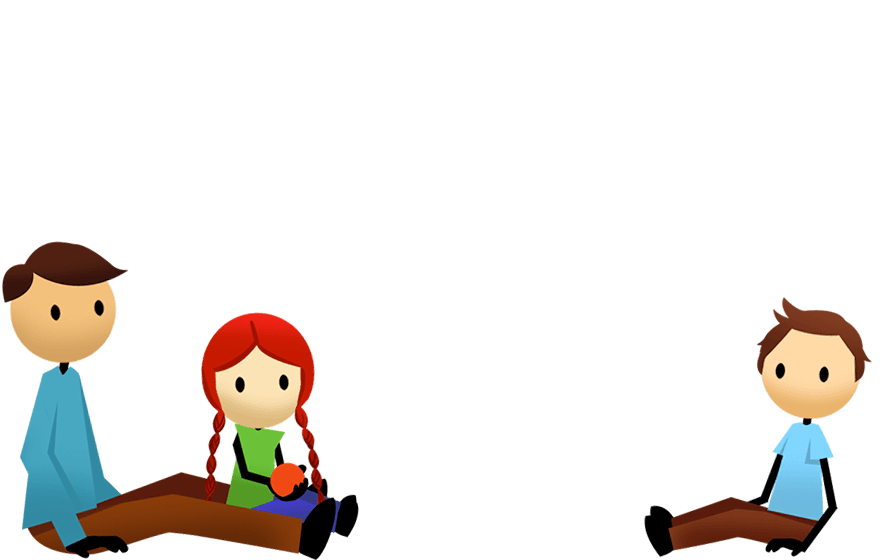
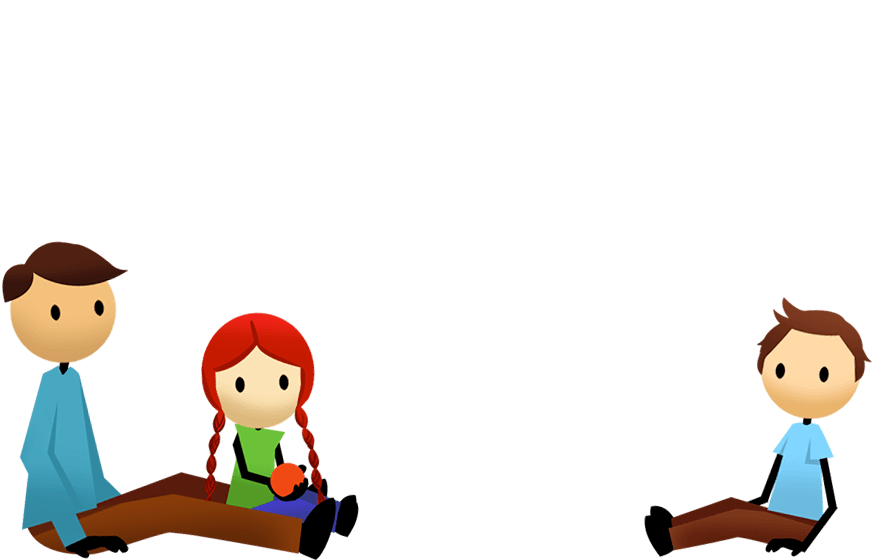
  1. Sit on the floor with your toddler sitting between your legs.
  2. Both you and your toddler face another adult or older child sitting on the floor.
  3. With your legs spread apart, gently roll the ball back and forth between your toddler and the other adult or older child.
  4. Encourage your toddler to “catch” the ball by receiving it with both hands.

Variations

Benefits

This activity develops hand-eye coordination, gross motor control, and the ability to track moving objects. These skills transfer to sports and activities that involve moving objects (e.g., balls, pucks, shuttlecocks, frisbees, ribbons, sticks, batons).
Toddler Balance Walk

Toddler Balance Walk

Requirements

• Outdoor space with natural and man-made obstacles
• Playground equipment may be suitable
• Low garden walls, benches, raised curbs, and dry logs are good

Instructions

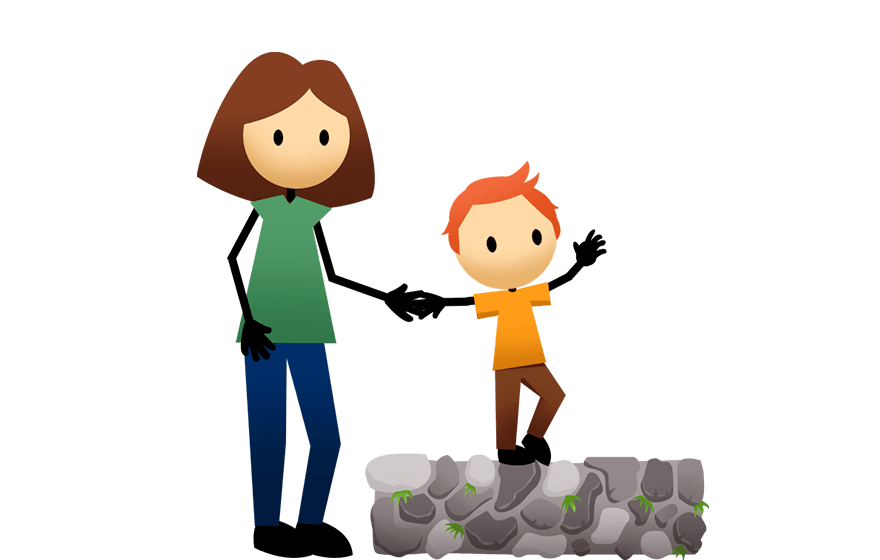
  1. When walking outside with your toddler, find simple structures such as park benches, low garden walls, raised curbs, and dry logs.
  2. Encourage your toddler to climb onto these low structures and walk along them.
  3. Hold your toddler’s hands at all times.

Variations

• As your toddler shows confidence walking with balance in one direction, encourage them to turn and change directions while walking and balancing.

Benefits

This activity develops dynamic balance in preparation for all walking and running activities at older ages.

Tightrope

Tightrope

Requirements

  • A rope, ribbon, or any line on the ground

Instructions

  1. Find a straight line on the ground, or make one with rope, ribbon, or chalk line 5-6 metres long.
  2. A long pavement crack or concrete joint can also work.
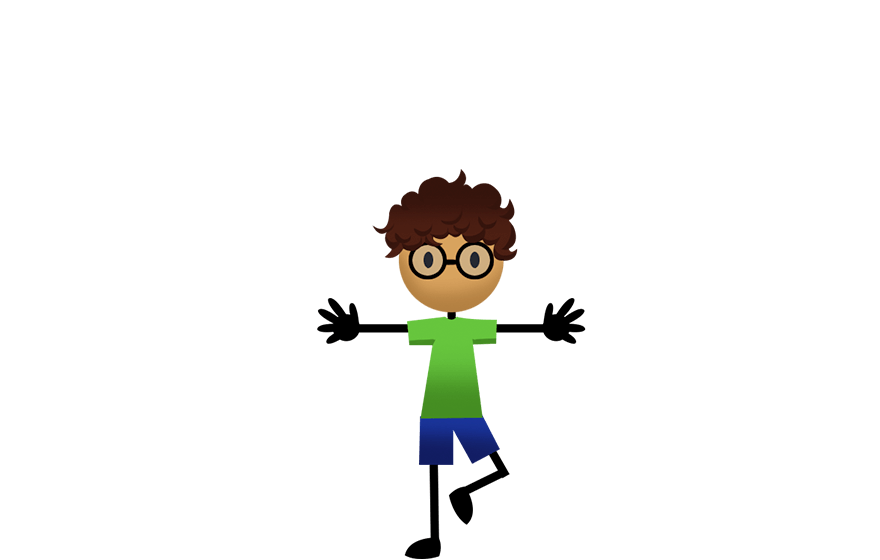
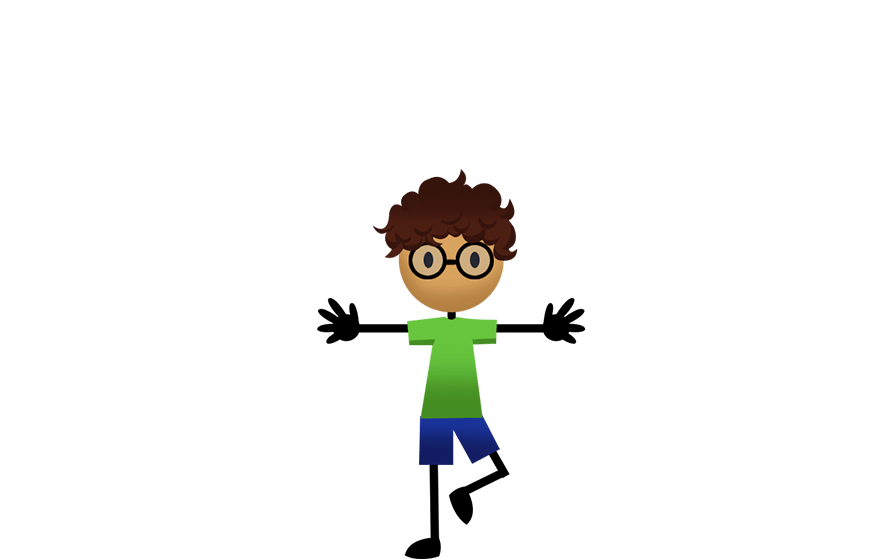
  3. Show your child how to walk along the line heal-to-toe.
  4. Show how to extend arms for balance.
  5. Try walking along the line from start to finish without stepping off the line. If you do, you’ve “fallen.”
  6. Introduce imaginary scenarios for fun. Example: Pretend you are circus tightrope walkers.

Variations

  • Try walking along the line backwards, sidestepping, or crawling on all hands and feet
  • Create a tightrope obstacle course using several ropes, ribbons or lines on the ground – use a different walk on each length (forward, backward, sidestep, etc.) – you can designate “safe zones” between parts of the course to give your child a rest

Benefits

This activity develops coordination and balance as kids try to walk a straight line on a rope lying on the ground.

Throwing Stones in Water

Throwing Stones in Water

Requirements

  • Natural water body such as ocean, lake, river or large pond
  • Beach with plenty of small rocks 1-4 cm in diameter (i.e. gravel size)
  • Small sticks that float well

Instructions

  1. Toss one or two sticks into the water.
  2. Depending on the size of your child, sticks can be 2-5 metres from shore.
  3. Collect small stones for throwing at the sticks.
  4. Try to hit the sticks with the stones.
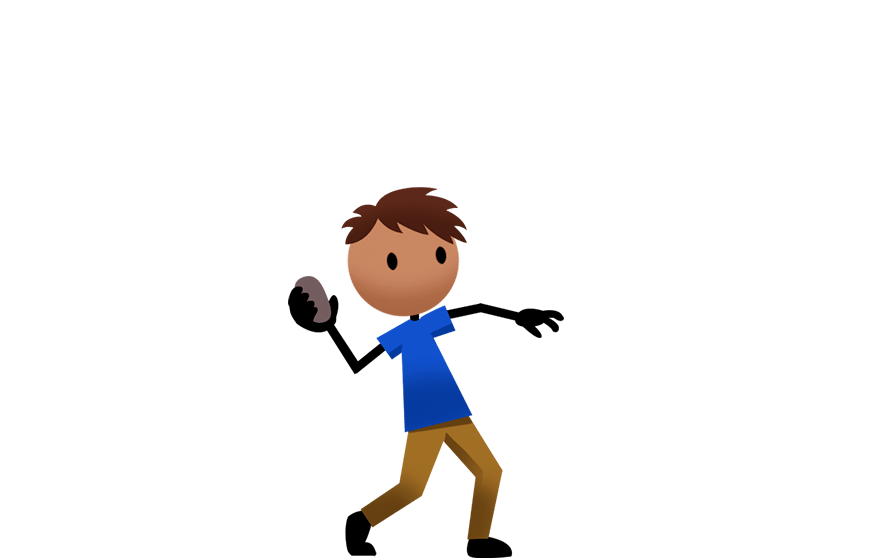
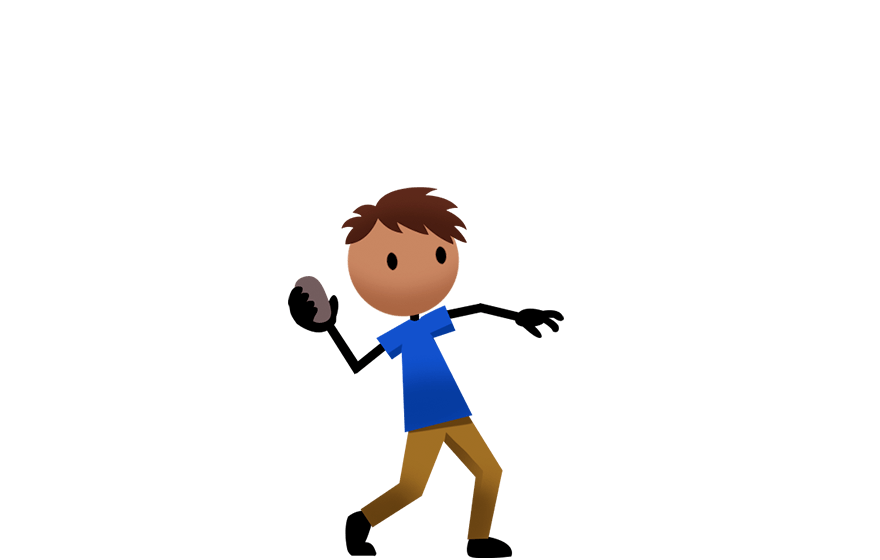
  5. Cheer whenever someone hits a stick!TIP: Show your child how to do a basic overhand throw.

    TIP: If you are throwing right-handed, your left leg should step forward.

    TIP: If you are throwing left-handed, your right leg should step forward.

    TIP: Your throwing hand should come from behind and over your shoulder.

Variations

  • Try making a game where you keep score – one point each time you hit a stick

Benefits

This activity develops coordination of arms and torso, fine motor control, and the ability to “read” distances. These skills transfer to sports and activities that involve throwing an object accurately over a perceived distance (e.g., balls, frisbees, ribbons, sticks, batons).
close btn