by Rashmi Sharma | Apr 20, 2020 | Fitness Activity
Requirements
• Soft, dry outdoor lawn area or large carpeted floor free of obstacles
Instructions
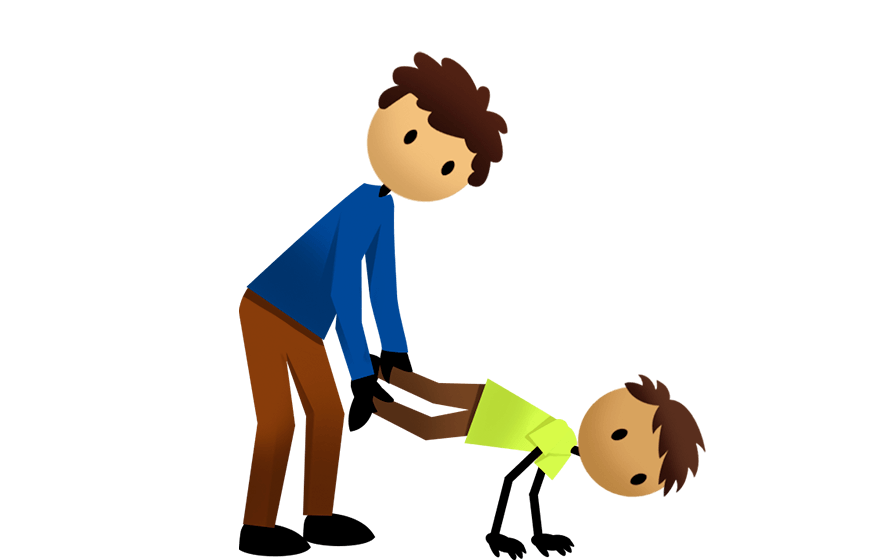
- Have your child lie on their stomach in pushup position.
- Lift your child by holding their thighs.
- Get your child to “walk” using their hands.
TIP: Do not hold your child by the feet. Your child’s back will arch too much.
Variations
• If there are several children and adults present, have a wheelbarrow race over a short distance.
Benefits
This activity develops coordination, balance, and strength as kids imitate the movement of a wheelbarrow.
by Rashmi Sharma | Apr 20, 2020 | Fitness Activity
Requirements
- A beanbag, soft foam ball, or sock ball (made by stuffing two socks into one another)
Instructions
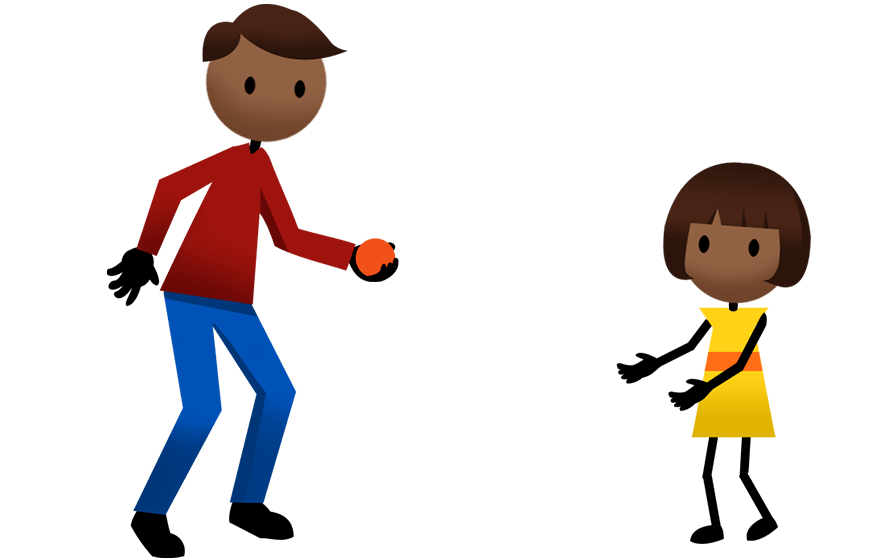
- Show your child the underhand catching stance: hands at waist height in front of stomach, palms facing upward, and pinky fingers almost touching.
- Stand 2-3 metres from your child and gently toss the ball into his or her hands.
- If your child has difficulty catching the ball, move closer (as little as 30 cm for small children).
- As your child begins to catch the ball consistently, move farther away. See how far away your child can catch the ball.
- Keep your ball tosses at waist height.
Variations
At distances of 5-10 metres, toss the ball slightly to each side – child should move their feet to get behind the ball
Benefits
This activity develops hand-eye coordination, fine motor control, and the ability to track moving objects in the air. These skills transfer to sports and activities that involve flying objects (e.g., balls, shuttlecocks, frisbees, ribbons, sticks, batons).
by Rashmi Sharma | Apr 18, 2020 | Fitness Activity
Requirements
- Open space
- Stereo equipment
- Music: “The Twist,” “Twist and Shout,” “Let’s Twist Again,” “Peppermint Twist”
Instructions
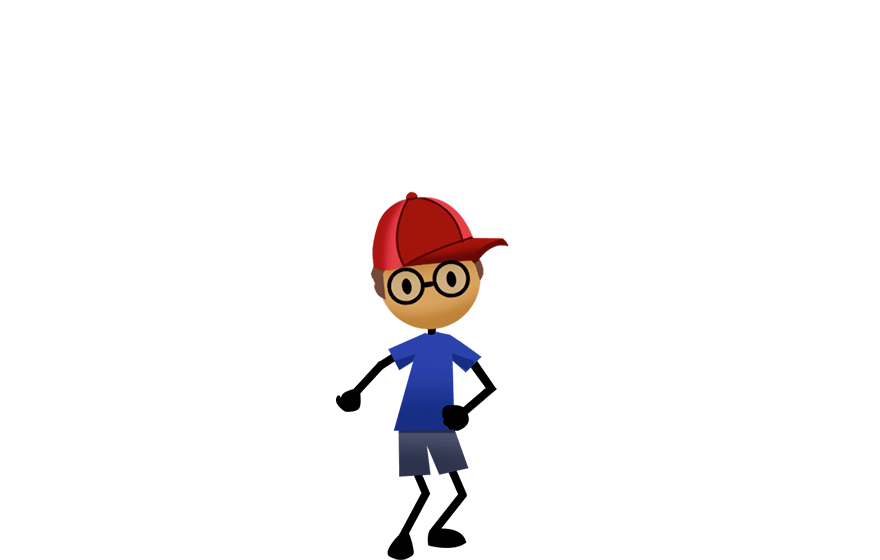
- Show your child how to move with a twist (raised bent arms rotate with torso one direction, bent legs rotate with hips in other direction).
- Play music and start twisting with your child.
- Call out “shout!” every 15-20 seconds. Each time, your child must jump straight up.
- After landing, your child must resume twisting.
- Try to twist low to the floor from time to time.
Variations
- For a challenge, try to twist on one foot
Benefits
This activity develops coordination and balance as kids shift their weight from one foot to the other while twisting their body through a dynamic range of motion.

by Rashmi Sharma | Apr 18, 2020 | Fitness Activity
Requirements
• Staircase (indoor or outdoor)
• Preferably non-slip stairs
Instructions
- After your toddler has been walking for 5-6 months, practice walking up and down stairs together.
- Hold your toddler’s hands, and help them to walk up and down small sets of stairs (4-8 treads).
- Never let go of your toddler’s hands. Be prepared to support them at any moment.
Variations
• When your toddler arrives at the “top” stair, encourage them to turn on their own. Continue to hold their hands.
Benefits
This activity develops dynamic balance in preparation for all walking and running activities at older ages.
by Rashmi Sharma | Apr 18, 2020 | Fitness Activity
Requirements
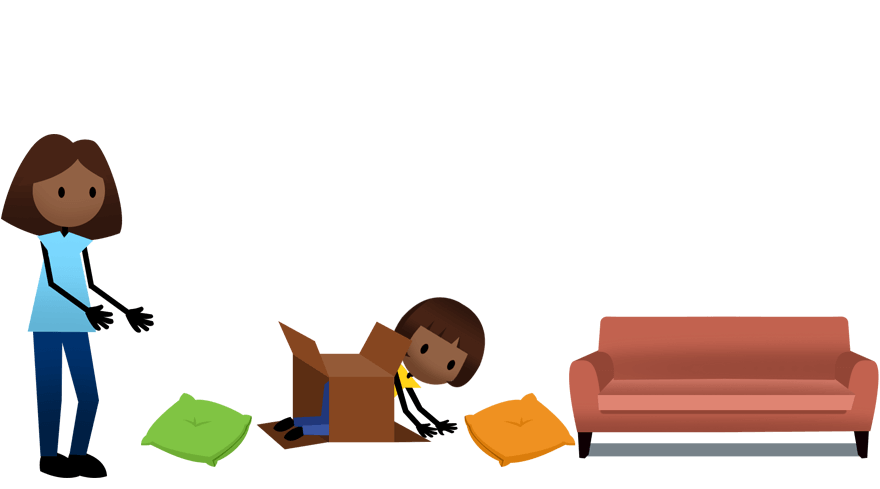
- Cardboard boxes, cushions, chairs, and other items found indoors.
Instructions
- Create an obstacle course inside your home using cushions, chairs, sofas, cardboard boxes, and anything else that provides a safe obstacle to climb over or through.
- Give your child ideas about how to move through the obstacle course, and lead your child through the course wherever possible.
- As your child moves through the obstacle course, stay close and provide assistance if needed.
Variations
- Ask your child to suggest ideas for obstacles, or ask them to create their own obstacle course.
Benefits
This activity develops agility, balance, and coordination as your child moves through the obstacle course.
by Rashmi Sharma | Apr 18, 2020 | Fitness Activity
Requirements
• Outdoor space with natural and man-made obstacles
• Playground equipment may be suitable
• Sidewalks, benches and low garden walls are good
Instructions
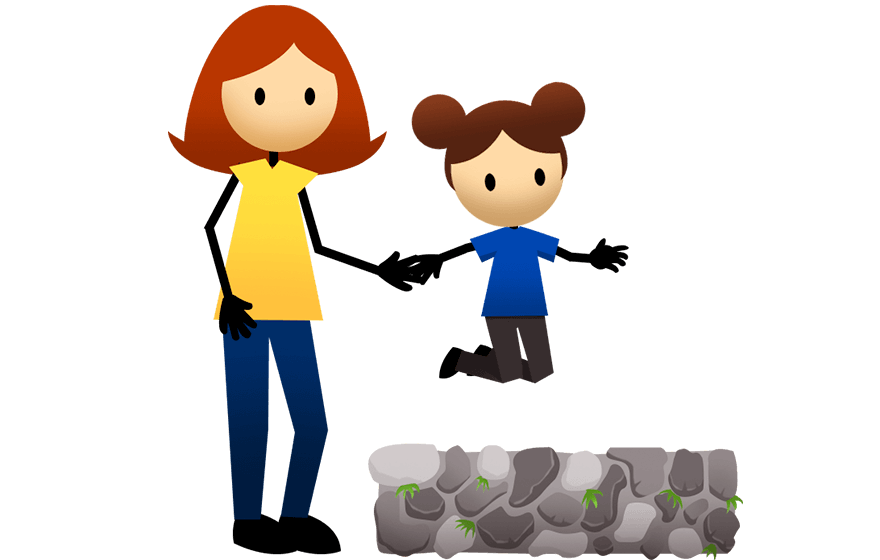
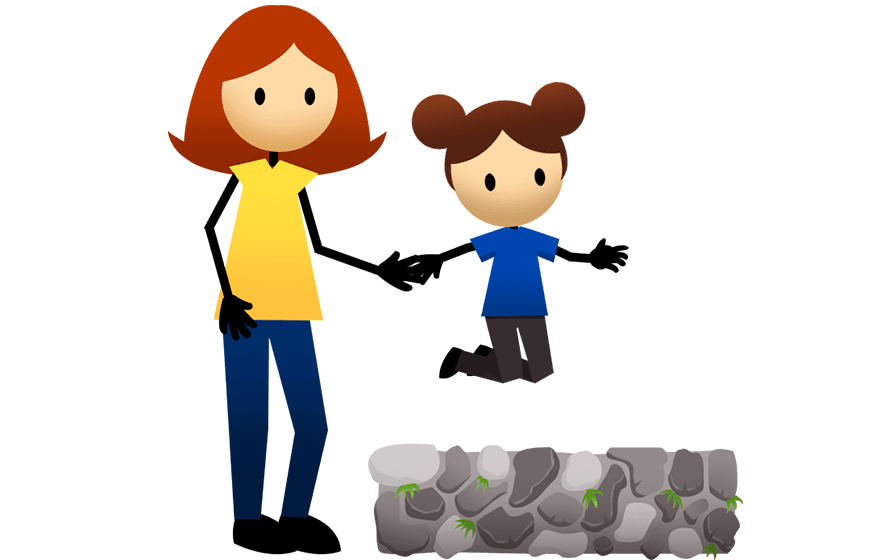
- When walking outside with your toddler, find simple structures such as park benches and low garden walls 30-50cm high.
- Encourage your toddler to climb onto these low structures and jump down.
- Hold your toddler’s hands at all times.
Variations
• Show your toddler how to jump over cracks in the sidewalk, garden hoses on the ground, etc.
Benefits
This activity develops dynamic balance and coordination required for any and all sports and activities that involve jumping and landing (e.g., basketball, baseball, soccer, volleyball, track and field, gymnastics).