by Rashmi Sharma | Apr 17, 2020 | Fitness Activity
Requirements
- Floor space or open space outdoors
- Music (optional)
Instructions
- Have your child find an open space on the floor or ground.
- Tell your child to crouch into a ball (“seed”).
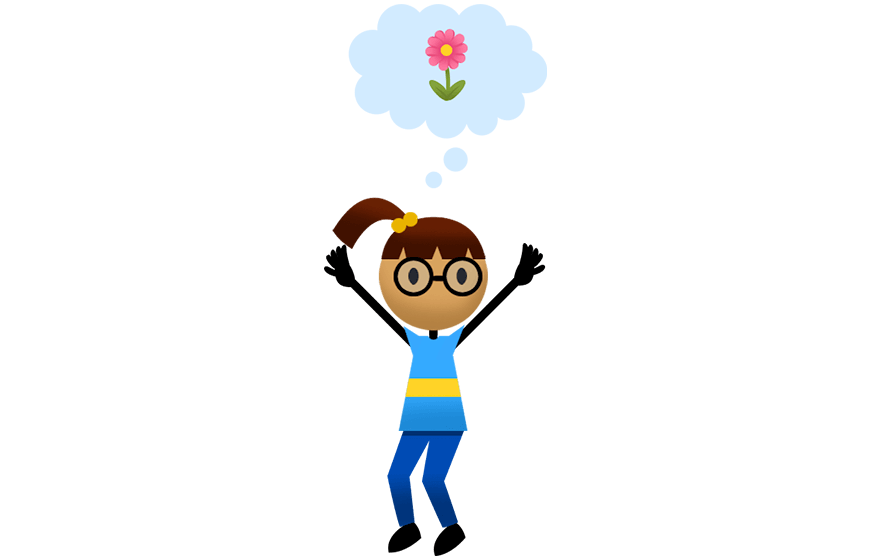
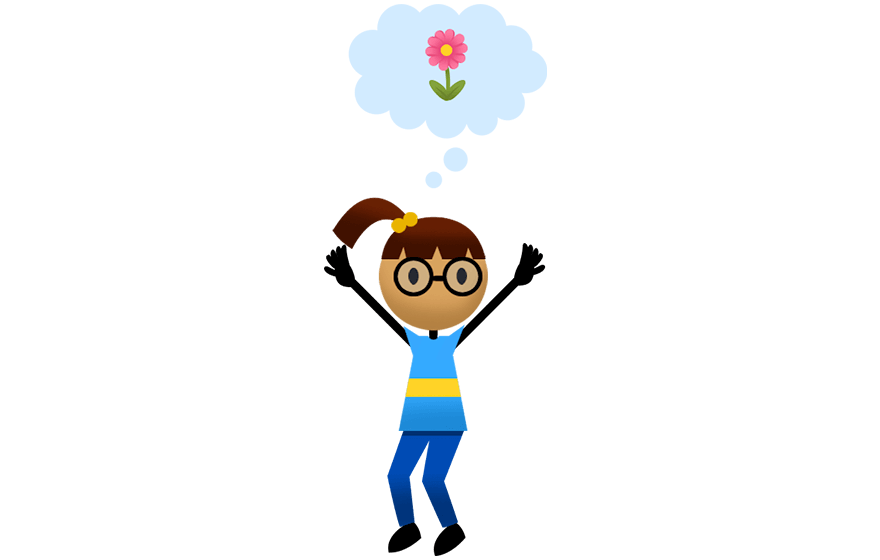
- Tell your child to start “growing” like a flower. Rise up slowly and reach out with arms as if sprouting.
- Try different plant “actions”:The wind blows: sway and wave armsPlant gets thirsty: droop over forwardNighttime comes: close arms like petals closingThe sun comes out: stretch arms upwardWinter comes: crumble to ground
- Repeat as a different kind of flower, bush or tree.
Variations
- If you have a group, some children can be gardeners who walk around and “water” the flowers – they must make sure the flowers continue to grow – the children who are flowers should bend if they go too long without water
Benefits
This activity develops coordination and balance as kids try to imagine and imitate the movement of a flower as it grows and blossoms.
by Rashmi Sharma | Apr 17, 2020 | Fitness Activity
Requirements
- Large indoor or outdoor space free of obstacles
Instructions
- Talk with your preschool child about horses. How do horses move?
- Tell your child that you will practice galloping like a horse.
- Show your child how to gallop.
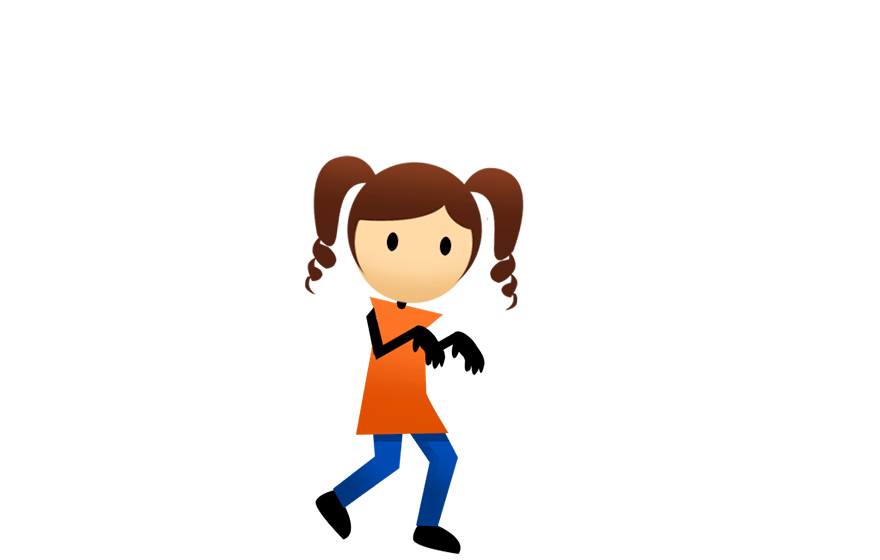
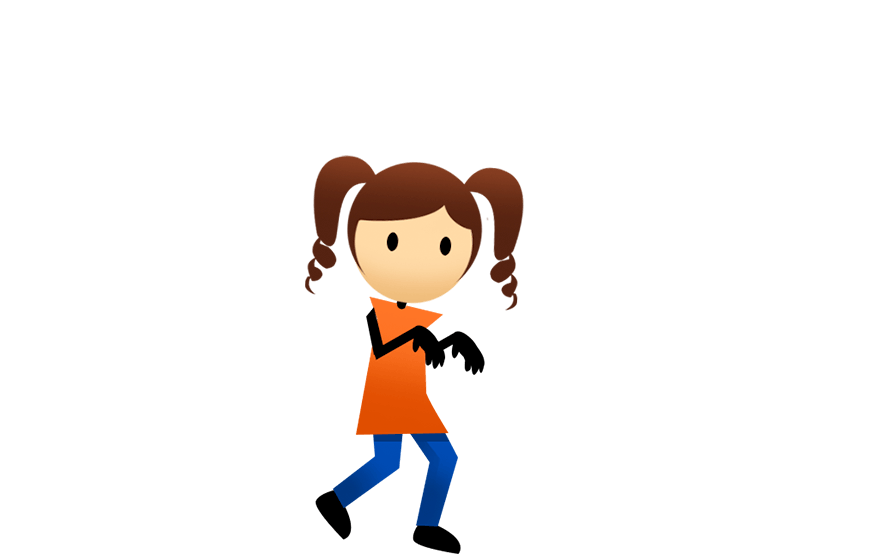
- One foot steps forward, and the trailing foot immediately “kicks” forward to almost touch the back of the front foot.
- Ask your child to gallop with you around the house or playground.Tip: Make horse “whinny” noises as you gallop.
Tip: If you have paper ribbon or streamers, take turns using them as horse reins – you can “pull” your child as you gallop, and your child can “pull” you as you gallop.
Tip: Galloping comes before Skipping.
Variations
- Play “Follow the Leader” as horses – this makes galloping into a game
Benefits
This activity develops dynamic balance, coordination, and rhythm required for activities at older ages such as running, skipping, hopping, and dancing.
by Rashmi Sharma | Apr 17, 2020 | Fitness Activity
Requirements
- Ideally, more than one child
Instructions
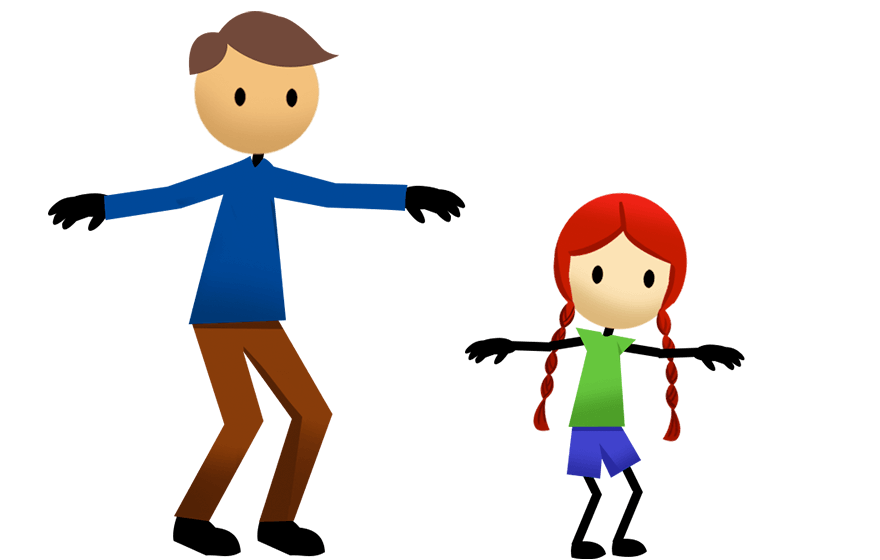
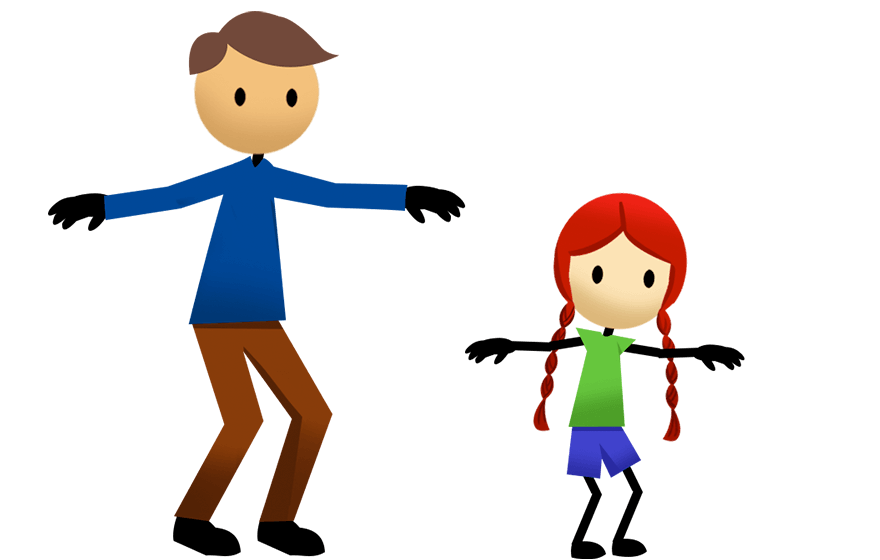
- Either indoors or outdoors, have your child “lead” you around, over, under and through obstacles.
- If indoors, your child can lead around, over or under furniture (with your supervision and permission).
- If outdoors, your child can lead around, over, under and through playground equipment, trees, and shrubs.
- Encourage leaders to vary movements with walking, running, changing direction, stopping, and starting.
- Ensure you are playing in a safe place. Do not play around cars or mechanical equipment.
Variations
- Have children take turns being the leader
- If you join the game as an adult, make sure the children take turns leading most of the time
Benefits
This activity develops leg coordination, dynamic balance, and speed. These skills transfer to sports and activities that involve dynamic balance and speed (e.g., soccer, basketball, hockey, volleyball, racquet sports, martial arts, dance).
by Rashmi Sharma | Apr 17, 2020 | Fitness Activity

Requirements
- Open space, indoor or outdoor at least 3 X 10 metres
- Two round pieces of paper
Instructions
- Pretend the open space is a pond.
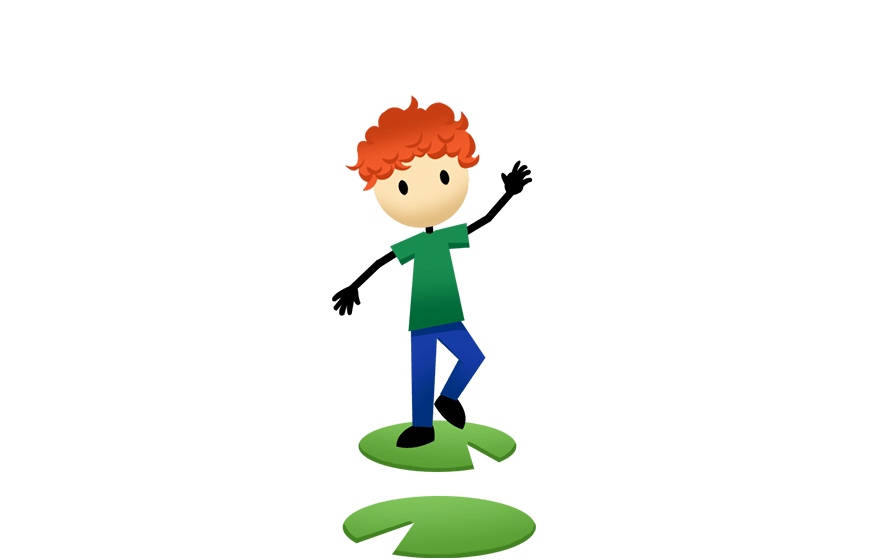
- The goal is to cross the pond by walking on your two lily pads.
- Begin by placing one lily pad on the “pond” and step onto it with one foot.
- While balancing on one lily pad with one foot, place the second lily pad in front.
- Step onto the second lily pad and balance on one foot again.
- Continue until you have crossed the entire “pond”.
- If you lose balance and fall into the “water,” pretend to swim up to your lily pad again by doing five jumping jacks, then continue crossing the pond.
Variations
- Ask your child to think up a new scenario – for example, stepping between rocks over lava
- Challenge your child to place the lily pad as far as possible in front of the other lily pad (longer steps)
Benefits
This activity develops coordination and balance as kids have to constantly bend and balance on one foot.
by Rashmi Sharma | Apr 17, 2020 | Fitness Activity
Requirements
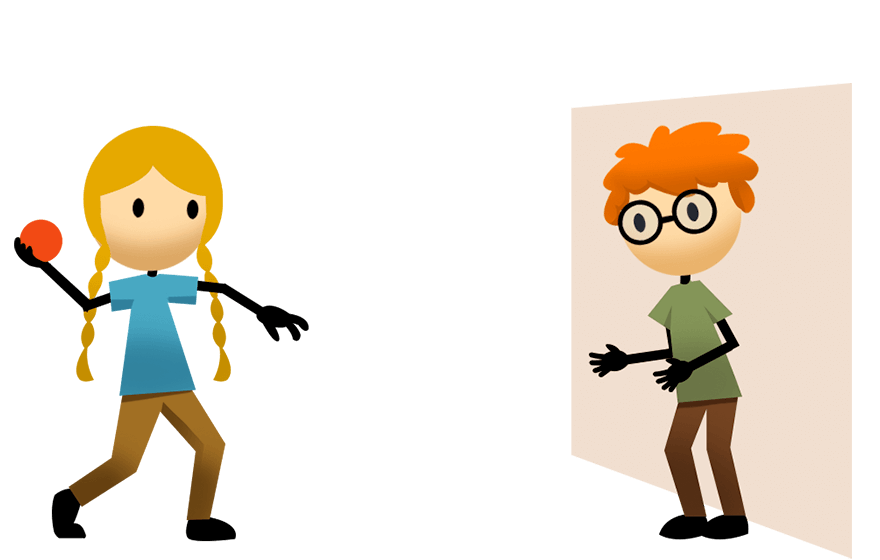
• Tall fence or wall 3-4 metres wide (no windows)
• Small foam ball for throwing or large foam ball for kicking
Instructions
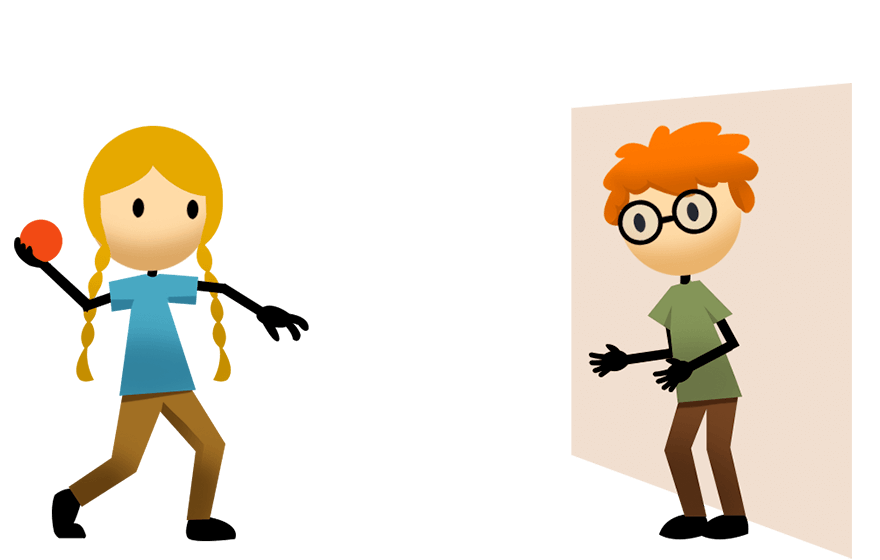
- One player stands with back to fence / wall and tries to dodge the ball.
- Other player stands 4-5 metres from fence / wall and tries to hit the first player with the ball.
- If using a small foam ball, the ball can be thrown.
- If using a large foam ball, the ball can be kicked.
- The player must be hit below the waist (legs).
Variations
• When the player is hit, the two players switch places.
• On each turn, each player has to try to dodge 15 balls. Count how many times the player is hit.
Benefits
This activity develops coordination of legs, arms and torso, plus dynamic balance and speed. These skills transfer to sports and activities that involve dynamic balance and speed (e.g., soccer, basketball, hockey, volleyball, racquet sports, martial arts, dance).