by Neetu | May 29, 2020 | Fitness Activity
Movement skills/concepts
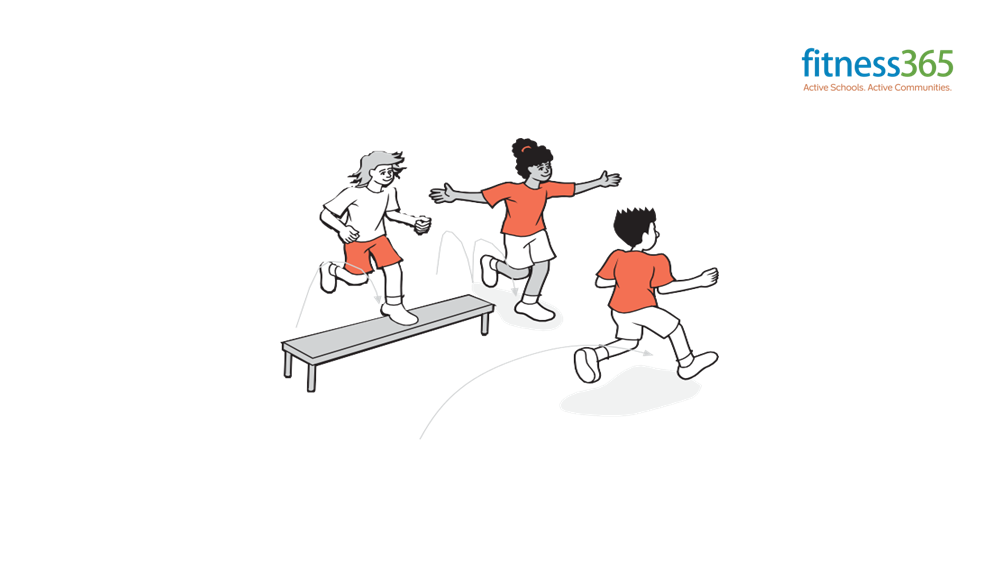
Hopping for height, hopping for distance, static, and dynamic balance.
Set-up
- Cones, low platform (bench, box top), chalk, balloon, string, and ropes.
- Children spread out in small groups in a defined hard or grass area.
Activity
Children practice activities.
- stand on one foot, hop three times in a row and hold your landing
- hop as high as you can and hold your landing
- alternate high and low hops
- hop over lines or ropes on the ground (spread ropes out so they are in lines with a step in between, like a ladder)
- hop over low cones spread out in a line, hop over four obstacles in a row
- take two steps and hop as high as you can – step, step, and hop. If you hop off your right foot, which foot will you step on to first
You could ask …
- What is the importance of your arms in hopping?
- What is the difference between the way you hop for distance and the way you hop fo
by Neetu | May 29, 2020 | Fitness Activity
Movement skills/concepts
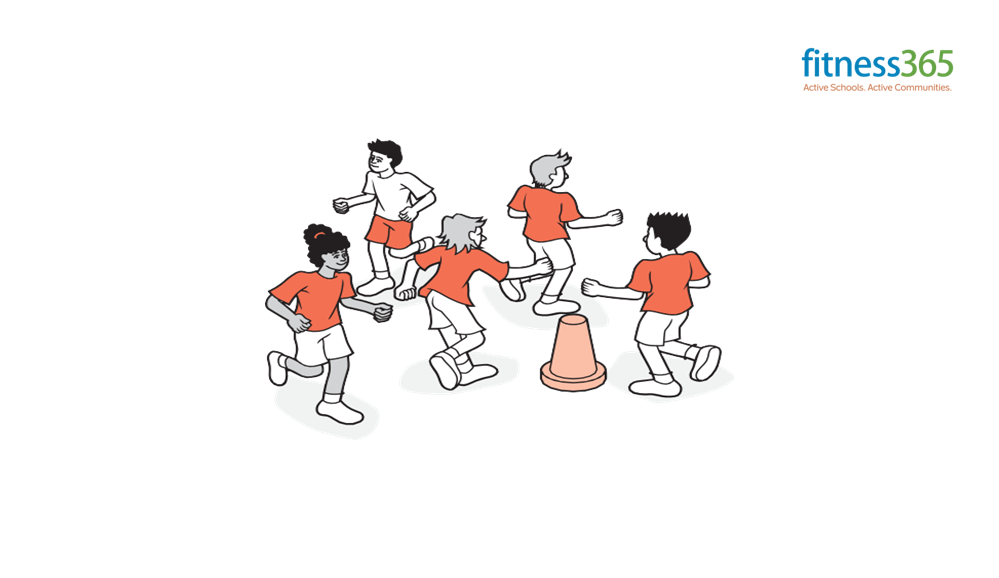
Hopping through different pathways, levels, and qualities (e.g. fast, soft), and relationships (with equipment and partner).
Set-up
- Ropes, hoops, discs, cones.
- Children spread out in defined grass or hard surface area with equipment to hop over.
Activity
Children explore ways to hop.
Can you hop …?
- on the spot, forwards/backward/sideways
- and turn in the air
- and turn in the air making a quarter turn/half turn/full turn
- as quietly/noisily/quickly/slowly as you can
- as softly/hard as you can three times on your right/left foot
- alternating hard and soft landings
- over the rope, into the hoop, onto the disc, around the cones
- as high as you can, with little low hops, at a medium height
- as far as you can for distance
- without using your arms, using only one arm, using your opposite hopping foot
- alternating feet every eight/four/two beats
- with partners at the same time/moving forward holding hands/facing each other
Variations
Hopping tug of war: In pairs, children hold one of the partner’s hands and hold their non-hopping leg with their other hand, they then try to pull each other off-balance (no rough play).
Follow the leader: In small groups, one person leads the group, one behind the other, on a hopping journey over, on, and through obstacles.
by Neetu | May 29, 2020 | Fitness Activity
Movement skills/concepts
Dodging, swerving, evading, and throwing at a moving target.
Set-up
- Large, softballs.
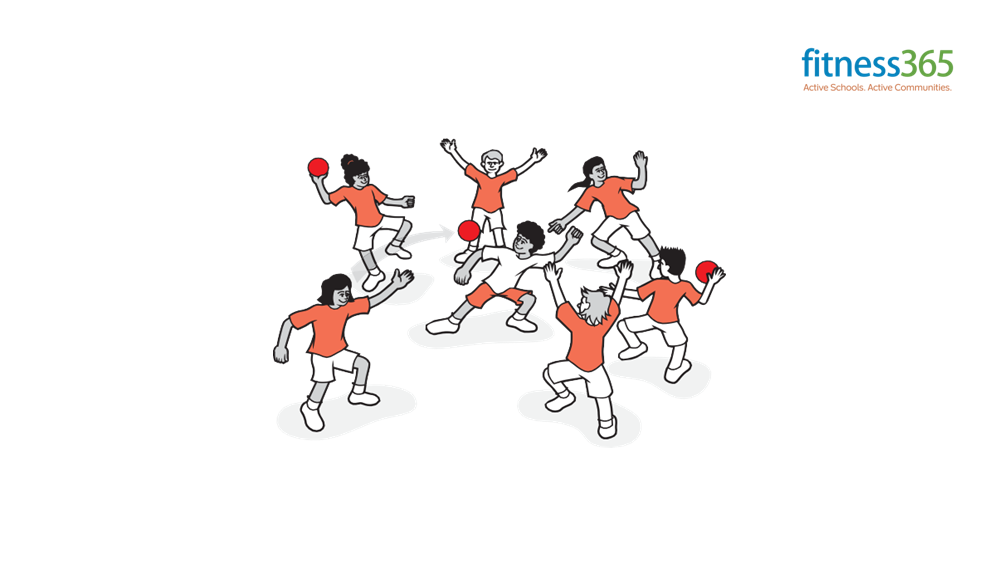
- Groups of six-seven: a dodger stands in the center of a marked circle, the others are throwers standing around the outside of the circle in the grass or hard surface area.
Activity
The dodger tries to keep away from the ball. The throwers try to hit the dodger below the knees. They can pass anywhere to catch the dodger off guard. Each person has a turn as the dodger.
- Throwers: passing fast to keep the dodger swerving and turning
- Dodger: using quick feet with quick reactions
Variations
Increase the number of dodgers: Include two or three dodgers in the middle of the circle.
Vary area of a circle: Increase or decrease the circle size.
by Neetu | May 28, 2020 | Fitness Activity
Movement skills/concepts
Dodging, chasing, evading, and space awareness.
Set-up
- Flags/bands/scarves.
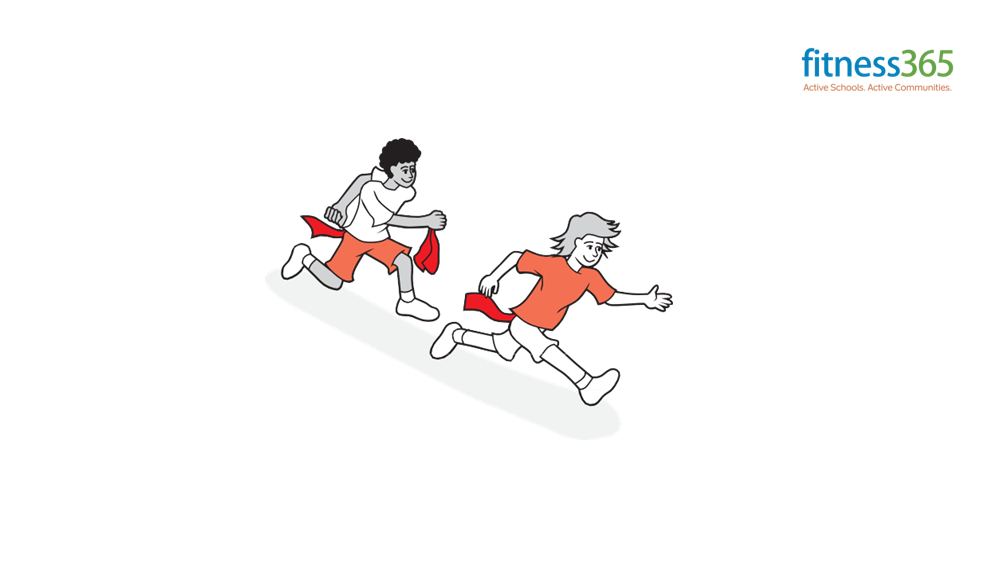
- Groups of six: players each have a flag/band/scarf attached to their waist and are spread out in a defined grass or hard surface area.
Activity
The task is for children to take as many flags/bands/scarves as they can from other players while protecting their own. When a flag/band/scarf is snatched, it is attached to the body. A point is received for every flag taken before time is called.
Variations
Vary object: Use clothes pegs and attach them to clothing.
Vary number and area: Increase the number of children playing and increase the size of the area.
by Neetu | May 28, 2020 | Fitness Activity
Movement skills/concepts
Chasing and fleeing, and quick change of direction.
Set-up
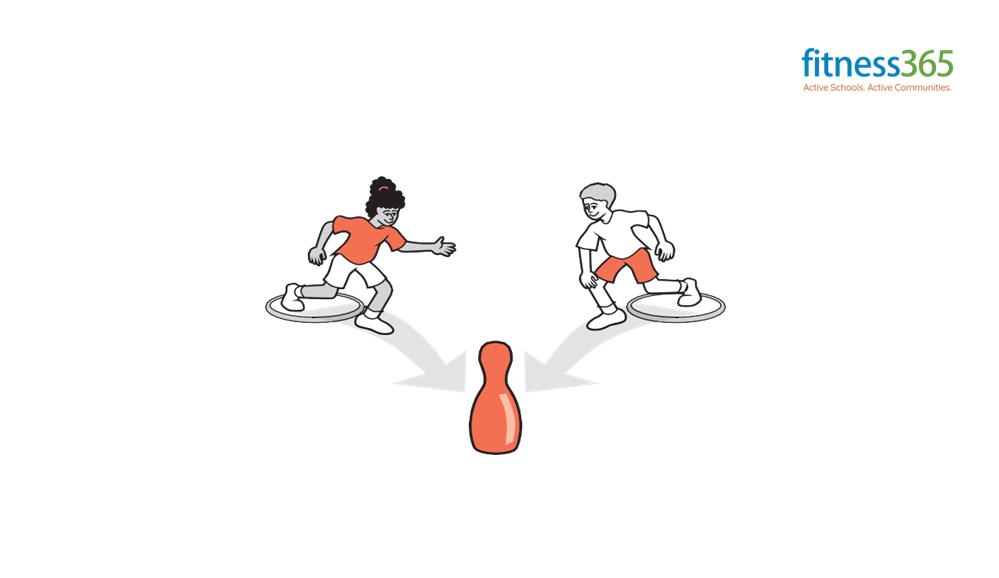
- Children in pairs, with two bases/discs and one bowling pin per pair.
- Set-up the pin between the two bases, approximately 3 meters from each one. One of the pair stands on each base.
Activity
Each player tries to snatch the bowling pin and return to the base without getting tagged. The player who snatches the pin first is the ‘snatcher’ and the other becomes the ‘tagger’. If the snatcher is tagged before reaching their base then the pin is returned to the center. Start on the signal.
Variations
Vary the distance: Increase or decrease the distance between the pin and the bases.