by Rashmi Sharma | Apr 17, 2020 | Fitness Activity
Requirements
- Gymnasium or outdoor space with hard ground surface, lightweight basketball or volleyball for young children, standard basketball for older children and teens.
Instructions
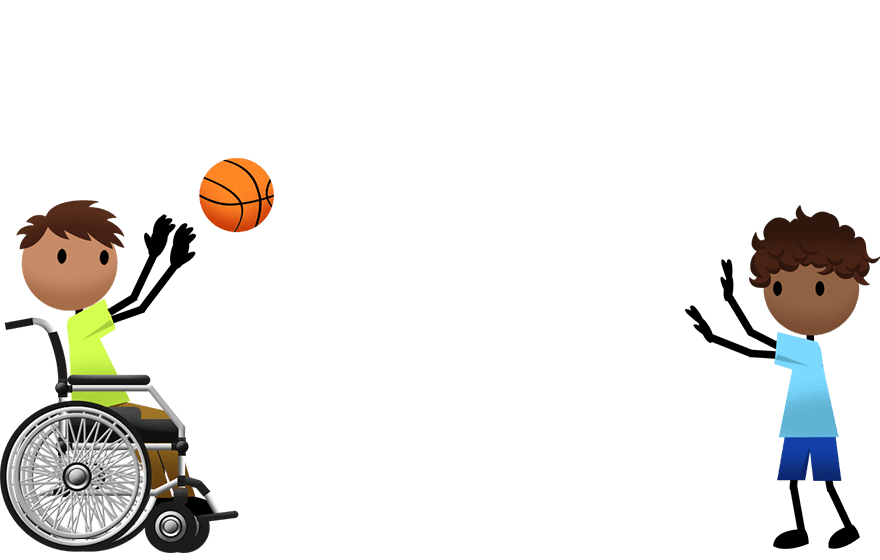
- Child in a wheelchair passes back and forth with another child or adult.
- Start 2 metres apart and then move farther apart when more challenge is desired.
- Practice throwing one-handed, and practice throwing two-handed (e.g. two-handed overhead pass, two-handed chest pass).
Variations
- This activity develops throwing and catching skills together with core strength.
If you want to make passing easier, try using a lighter ball (e.g. volleyball).
- For extra challenge, try to pass and catch while moving.
Benefits
This activity develops throwing and catching skills together with core strength.
by Rashmi Sharma | Apr 17, 2020 | Fitness Activity

Requirements
- Open space with hard pavement (concrete or asphalt)
- A basketball or large bouncy ball (appropriately sized for your child)
Instructions
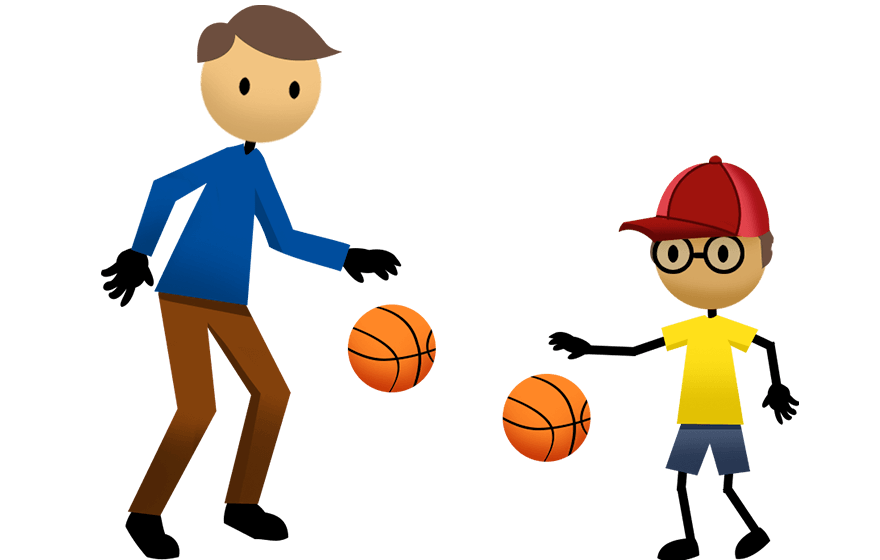
- Dribbling means bouncing a ball continuously with the palm and fingers of the hand.
- Show your child how to do a two-handed dribble (both hands contact the ball at the same time).
- Show your child how to do right- and left-handed dribble. One hand will be more difficult depending on whether your child is left-handed or right-handed.
- Practice all three dribbles.
- Play a mirror game: when you dribble with your left hand, so must your child. Vary the dribbles, speed, height and other factors to make the game fun.
Variations
Try the mirror game with your child leading
Benefits
This activity develops hand-eye coordination, balance, and rhythmical movement.
by Rashmi Sharma | Apr 17, 2020 | Fitness Activity
Requirements
- Get a large, soft foam ball, or make a sock ball (stuff two socks into one another) – the ball should have a diameter between 10-15 cm
Instructions
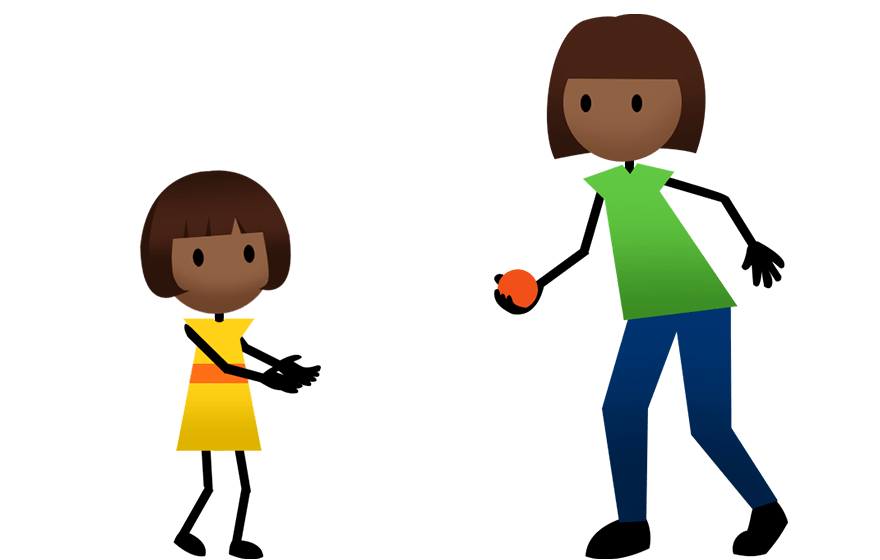
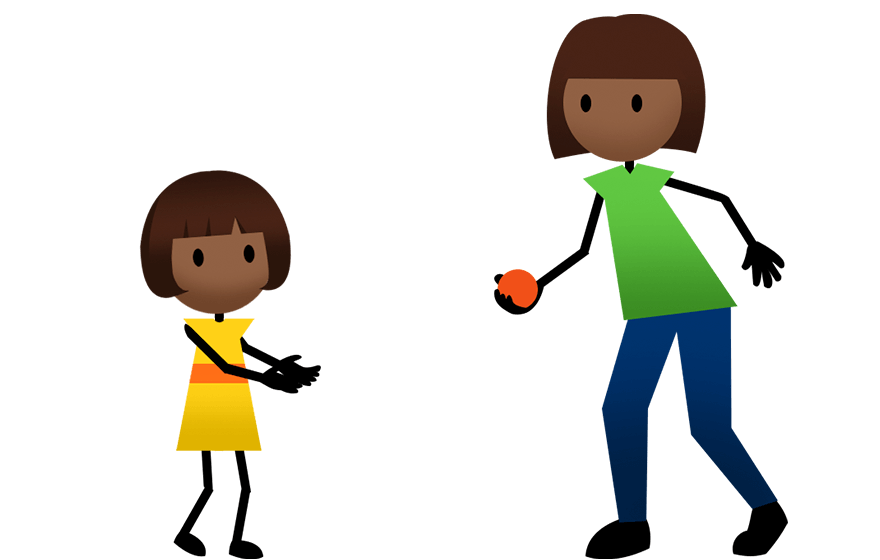
- Show your toddler how to stand with their hands and forearms forming a bowl or “basket” in front of their stomach.
- Toss the ball into their “basket” from about 30 cm away.
- As your child becomes confident catching at this distance, increase the distance of your toss slightly.
- Eventually, see if your toddler can catch from 1 metre away.
- For especially young toddlers, you might begin by simply sitting and rolling the ball back and forth between you.
Variations
- Find the right level of difficulty for your child – don’t challenge your child to catch from more than 1 metre distance if they only catch 1 out of 3 tosses – keep it fun by ensuring some success
Benefits
This activity develops hand-eye coordination, gross motor control, and the ability to track moving objects in the air. These skills transfer to sports and activities that involve flying objects (e.g., balls, shuttlecocks, frisbees, ribbons, sticks, batons).

by Rashmi Sharma | Apr 17, 2020 | Fitness Activity
Requirements
- 60-80 cm smooth stick or narrow piece of lumber that fits in child’s hands
- Hockey tape
- Ball(s) 10-25 cm in diameter or empty tin can
Instructions
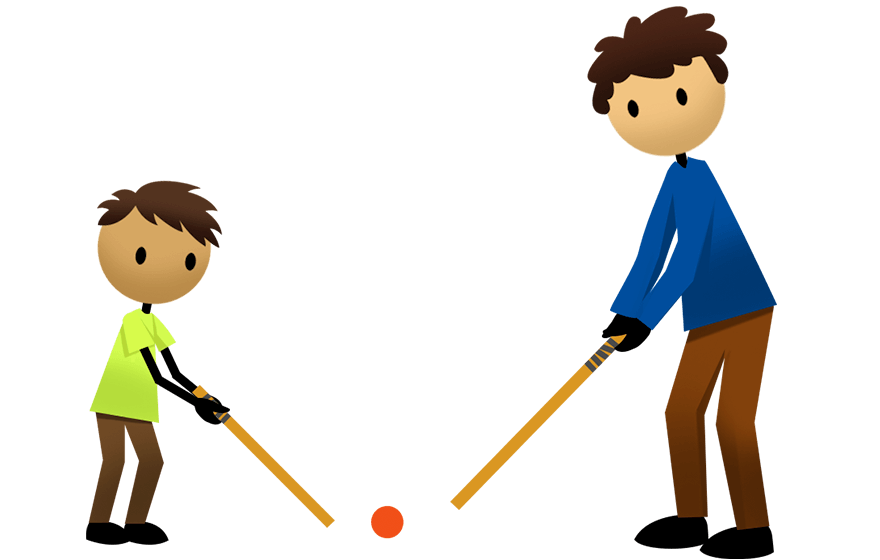
- Wrap one end of the stick with hockey tape to form a handgrip.
- In an outdoor place (yard or park), hit the ball or tin can around on the ground.
- Make sure your child does not hit animals or other children.
Variations
- As your child develops better control of the stick, try rolling a ball for them to hit
Benefits
This activity develops hand-eye coordination and timing while using a striking tool (such as a bat, a racquet, or a hockey stick)
by Rashmi Sharma | Apr 17, 2020 | Fitness Activity
Requirements
• Small two-wheel pedal bike
Instructions
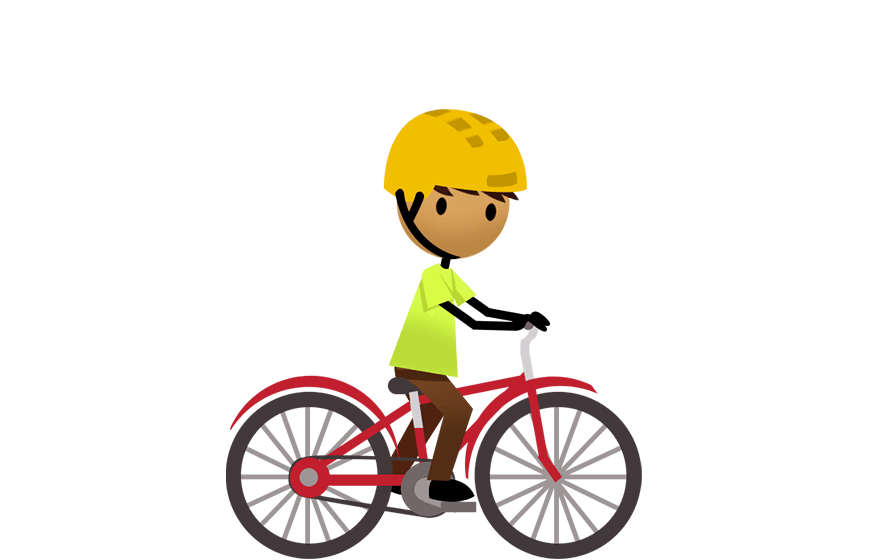
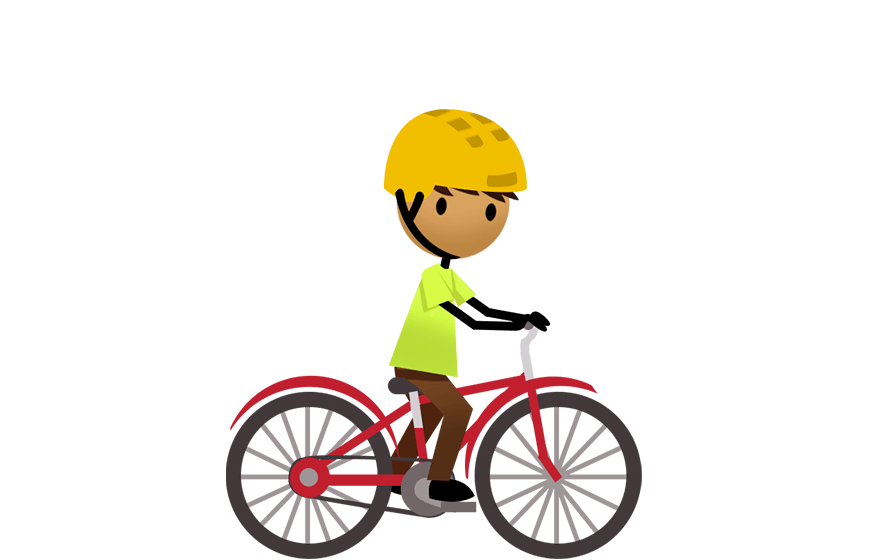
- Introduce your early elementary age child to wheeling on two wheels.
- Walk alongside your child as they start to pedal with their legs.
- Provide physical support as they start to use the pedals.
- Stay on sidewalks of quiet streets and park pathways.
- See how far your child can wheel without your support (but stay close for safety).TIP: Make sure your child always wears a helmet.
Benefits
*This activity develops dynamic balance and coordination essential for long-term success in cycling.